2026-09-04 · Mark Donovan
Meter Still Running With the Water Off: What It Means
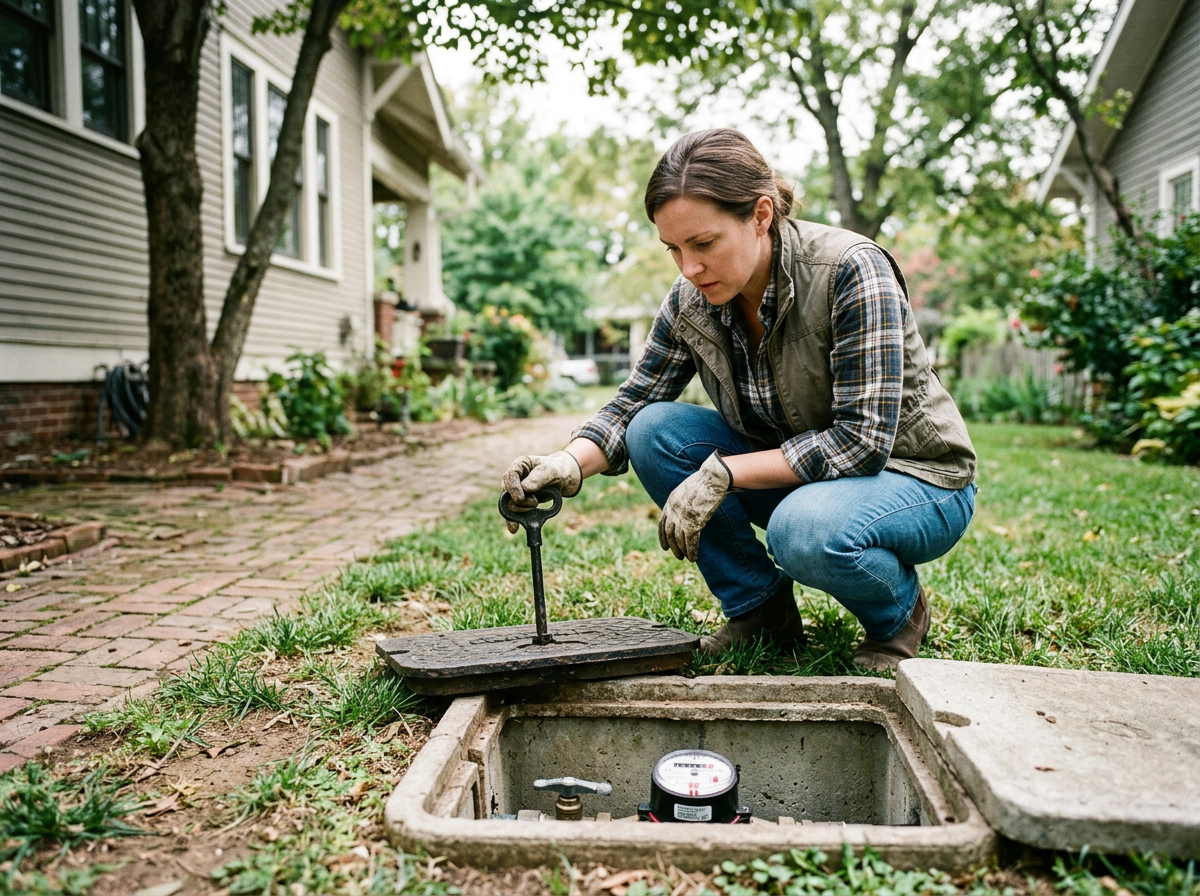
If the meter dial continues moving with every tap closed, you have an active leak on the property side of the meter. In Nashville homes built before 1980 this most often points to a breach in the copper or galvanized supply line beneath the concrete slab, especially in East Nashville and Germantown where many foundations date to the 1940s and 1950s.
Why the Meter Keeps Spinning in Davidson County Homes
Nashville’s humid subtropical climate brings heavy summer rains followed by cool, dry winters that cause soil expansion and contraction around slabs. Over decades this movement stresses rigid pipe joints in neighborhoods such as The Gulch and West End. Older homes in Belle Meade and Green Hills often still carry original copper lines that corrode from the outside in, allowing water to seep into the soil without visible surface signs. The meter registers the loss because the leak sits downstream of the meter but upstream of any shut-off valves inside the house. Homeowners in Donelson report the same issue after heavy spring rains saturate the clay-heavy soils common across Davidson County, accelerating corrosion on older galvanized sections.
How Local Soil and Weather Accelerate Slab Leaks
Davidson County’s shrink-swell soils shift with seasonal moisture changes, placing repeated stress on pipes that run under the slab. Hot summers push temperatures above 90 °F for weeks, while winter lows in the 20s cause the ground to contract. These cycles fatigue solder joints and create pinholes that release 5–15 gallons per hour—enough to keep a meter turning steadily. Properties near Centennial Park and the Parthenon area sit on particularly reactive soil that amplifies movement. When the leak occurs, water migrates under the slab rather than surfacing, so the only reliable indicator remains the meter itself.
Confirming the Leak Without Unnecessary Excavation
Shut off the main valve at the meter and record the reading, then check again after two hours. Any movement confirms flow. From there, acoustic listening equipment or tracer gas can isolate the exact location under the slab. Leak detection technicians working in Nashville routinely map lines before any concrete is opened. If the reading stays constant after the main valve is closed, the issue lies in the city side of the meter and Metro Water Services should be contacted. For confirmed under-slab leaks, slab leak repair crews typically access the line through a 12- to 18-inch core rather than removing large sections of floor.
Next Steps After the Meter Test
Once the leak is isolated, decide between spot repair and rerouting the line through an exterior wall or attic. In many Germantown and East Nashville homes, rerouting avoids repeated slab cuts and future soil-movement damage. Document the meter reading and photos before any work begins. Review the related guide on what a slab leak looks like under the foundation for additional signs to watch. If water has already reached flooring or walls, pair the repair with structural drying to limit secondary damage. Track the meter weekly after repairs to verify the leak is resolved.