2026-09-04 · Mark Donovan
How Leak Detection Equipment Pinpoints a Leak Without Digging
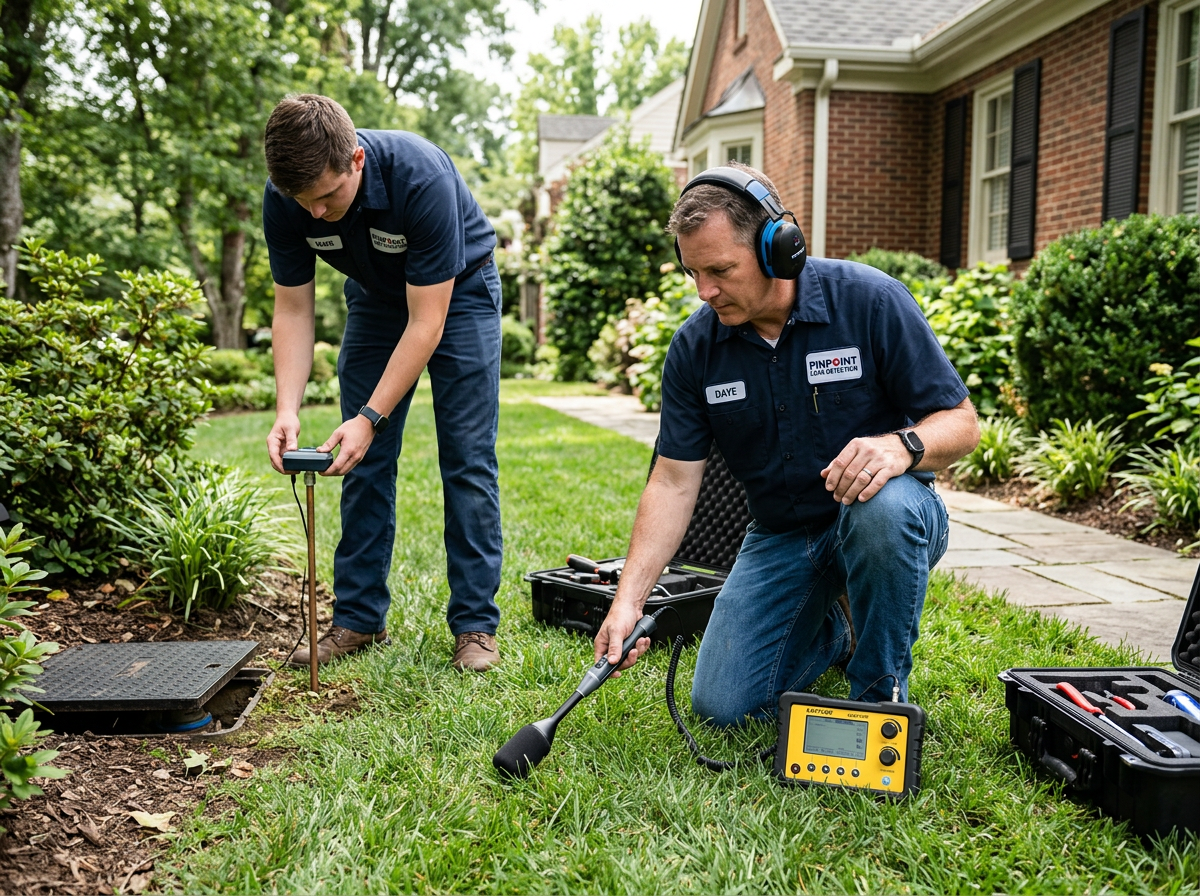
Acoustic sensors combined with pressure testing and thermal imaging locate most slab leaks in Nashville homes to within a few feet without breaking concrete. In Davidson County neighborhoods like East Nashville and Germantown, where many foundations date to the mid-20th century, these non-invasive methods account for shifting clay soils and seasonal pipe expansion from humid subtropical summers and cooler winters.
Acoustic Listening Equipment
Technicians place sensitive microphones on the slab surface and listen for the distinct sound of water escaping under pressure. In homes near the Ryman Auditorium or Bridgestone Arena, where older plumbing runs beneath thicker slabs, operators adjust frequency filters to separate leak noise from traffic or HVAC hum. The process typically takes 30 to 90 minutes per area and works best when the leak flows at a steady rate. Operators cross-reference readings with known pipe layouts common in Belle Meade and Green Hills properties. This step narrows the search zone before any other tools are deployed, reducing the chance of unnecessary surface disruption.
Pressure Testing and Flow Analysis
Technicians isolate sections of the water line and monitor pressure drops over set intervals to confirm active leaks. In West End and The Gulch buildings with mixed copper and PVC lines, they track gallon-per-minute loss rates that often range from 0.5 to 2 gallons under normal household pressure. Cool winter temperatures in Davidson County can tighten joints and mask slow leaks until summer heat returns, so tests are repeated across seasons when homeowners report spikes. Data from these tests guide placement of additional sensors and help differentiate slab leaks from issues in crawl spaces or walls. Results feed directly into decisions about targeted access points rather than broad excavation.
Thermal Imaging and Tracer Methods
Infrared cameras detect temperature differences caused by water moving beneath the slab, showing cooler patches where moisture evaporates. Hot Nashville summers raise baseline slab temperatures, making these contrasts sharper in the early morning hours before direct sun hits. For complex layouts in Donelson or near Centennial Park, technicians sometimes introduce a safe, non-toxic tracer gas that escapes at the leak point and registers on surface sensors. This combination confirms the exact spot identified by acoustic and pressure data. The method avoids the need to cut through finished flooring in high-traffic areas like living rooms or kitchens common in older Germantown homes.
Why Local Conditions Matter
Davidson County clay soils expand and contract with the region's wet springs and occasional winter freezes, stressing older supply lines under slabs in areas such as Green Hills and Belle Meade. These movements create hairline cracks that leak detection equipment must distinguish from normal pipe joints. Technicians familiar with local construction note that 1950s-1970s homes often have cast-iron or galvanized lines that corrode differently than modern PEX runs. Understanding these patterns prevents misreads that could occur with generic national approaches. Readers facing persistent high bills can review What Is a Slab Leak? The Signs Under Your Foundation for early indicators and explore slab leak detection options tailored to Nashville foundations.